How to Choose the Right Circular Saw Blade: The Complete Buying Guide
Choosing the right circular saw blade can make the difference between a clean, accurate cut and a rough finish that wastes both time and materials. Whether you're a professional tradesperson, cabinetmaker, carpenter or weekend DIY enthusiast, selecting the correct blade for your material and application will improve cut quality, extend blade life and help keep your saw operating safely.
At Beyond Tools, we stock a wide range of premium circular saw blades designed for everything from fine cabinetry and framing through to aluminium, laminate, fibre cement and composite materials. This guide explains exactly what to look for when choosing your next blade.
Why Your Blade Matters
Many people focus on the saw itself, but the blade actually performs the cutting.
Using the wrong blade can result in:
- Splintered timber
- Burn marks
- Rough edges
- Slow cutting
- Increased motor load
- Premature blade wear
- Higher risk of kickback
Selecting the correct blade produces cleaner cuts, faster performance and longer tool life.
1. Choose the Correct Blade Diameter
Always start by checking your saw's recommended blade diameter.
Common circular saw blade sizes include:
| Blade Size | Typical Application |
|---|---|
| 165mm (6-1/2") | Compact cordless saws |
| 184mm (7-1/4") | Most cordless and corded circular saws |
| 210mm (8-1/4") | Mitre saws and table saws |
| 254mm (10") | Table saws and mitre saws |
| 305mm (12") | Large mitre saws |
Never fit a blade larger than your saw is designed to accept.
2. Check the Arbor (Bore) Size
The arbor (or bore) is the centre hole that mounts onto the saw spindle.
The blade must match your saw's arbor size exactly. Common arbor sizes include:
- 16mm
- 20mm
- 25.4mm (1")
- 30mm
Using the incorrect arbor size may result in unsafe operation or poor cutting accuracy.
3. Match the Blade to the Material
Different materials require different tooth designs and carbide grades.
Solid Timber
Ideal blade:
- ATB (Alternate Top Bevel)
- 24–40 teeth
- Positive hook angle
Perfect for framing, hardwood and softwood.
Plywood & Veneered Panels
Recommended:
- 60–80 teeth
- Fine ATB grind
Produces clean cuts with minimal tear-out.
MDF & Particleboard
Recommended:
- High tooth count
- Fine ATB or Triple Chip Grind (TCG)
Reduces edge chipping.
Melamine & Laminates
Recommended:
- Triple Chip Grind (TCG)
- High tooth count
Designed to minimise chipping on decorative surfaces.
Aluminium & Non-Ferrous Metals
Recommended:
- TCG blade
- Negative hook angle
Provides smoother, safer cutting.
Fibre Cement & Composite Materials
Use only blades specifically designed for these abrasive materials to maximise blade life.
4. Understanding Tooth Count
One of the biggest factors affecting cut quality is the number of teeth.
Low Tooth Count (18–30 Teeth)
Best for:
- Fast ripping
- Framing timber
- Construction work
Advantages:
- Faster cuts
- Better chip clearance
Trade-off:
- Rougher finish
Medium Tooth Count (40–50 Teeth)
Ideal for:
- General woodworking
- Site work
- DIY projects
Offers an excellent balance between cutting speed and finish quality.
High Tooth Count (60–100+ Teeth)
Perfect for:
- Cabinetmaking
- Furniture
- Plywood
- Laminates
- Fine joinery
Advantages:
- Extremely clean finish
- Minimal tear-out
Trade-off:
- Slower feed rate
5. Tooth Grind Explained
Alternate Top Bevel (ATB)
The most common woodworking blade.
Best for:
- Hardwood
- Softwood
- Veneer
- Plywood
Produces clean crosscuts with minimal splintering.
Flat Top Grind (FTG)
Designed primarily for ripping timber.
Best for:
- Fast cuts
- Thick hardwood
- Softwood
Triple Chip Grind (TCG)
Alternating trapezoidal and flat teeth.
Ideal for:
- Laminate
- Melamine
- Aluminium
- Non-ferrous metals
- Composite materials
Provides exceptional durability and edge quality.
6. Hook Angle Explained
The hook (or rake) angle influences how aggressively the blade feeds into the material.
Positive Hook Angle
- Faster feed rate
- Aggressive cutting
- Best for timber
Ideal for most circular saws.
Neutral Hook Angle
- Smooth cutting
- Versatile
- Good all-round performance
Negative Hook Angle
- Slower, controlled cutting
- Reduced grabbing
- Best for aluminium, laminates and mitre saw applications
7. Blade Material
Most premium blades today feature tungsten carbide-tipped teeth.
Benefits include:
- Longer life
- Greater heat resistance
- Improved edge retention
- Sharper cuts
- Better value over time
Although carbide blades cost more initially, they usually deliver a significantly longer service life than standard steel blades.
8. Blade Kerf
Kerf refers to the width of the cut made by the blade.
Thin Kerf
Ideal for:
- Cordless circular saws
- Smaller motors
Benefits:
- Less resistance
- Longer battery life
- Faster cutting
Full Kerf
Better suited to:
- Table saws
- Cabinet saws
- Heavy-duty machinery
Offers increased rigidity during demanding cuts.
9. Safety Features to Look For
Modern premium blades often include features designed to improve safety and performance.
Look for:
- Anti-kickback shoulders
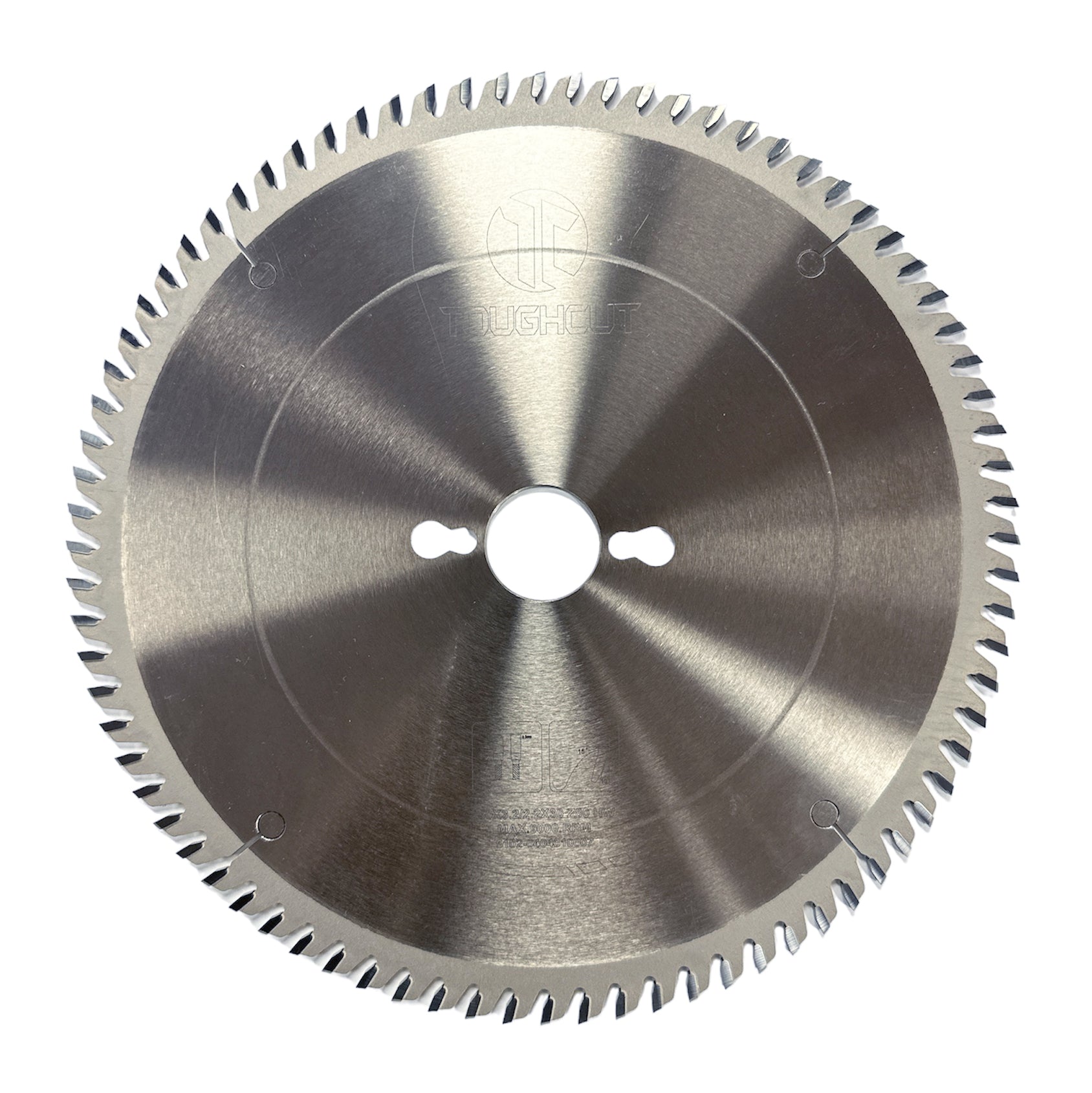
- Laser-cut expansion slots
- Noise reduction slots
- Precision-balanced blade bodies
- Heat expansion vents
These features help reduce vibration, improve cut accuracy and minimise blade distortion during prolonged use.
Which Circular Saw Blade Should You Buy?
Ask yourself these five questions:
- What material am I cutting?
- Do I need speed or the cleanest possible finish?
- Is this primarily ripping or crosscutting?
- What blade diameter and arbor size does my saw require?
- Am I using a cordless or corded saw?
Answering these questions will narrow your options quickly and help you choose the blade best suited to your work.
Beyond Tools – Circular Saw Blades for Every Application
Whether you're cutting hardwood, plywood, melamine, aluminium or fibre cement, Beyond Tools stocks circular saw blades from trusted manufacturers to suit professional tradespeople and DIY users alike.
If you're unsure which blade is right for your saw or material, our knowledgeable team is always happy to help you select the best option for your project.
The right blade doesn't just produce a better cut—it improves safety, extends the life of your saw and helps you achieve professional-quality results every time.