
BT HOW TO: How to Measure a Drive Belt for Replacement
Drive belts are a vital component in many woodworking machines, workshop equipment and industrial machinery. Whether you're replacing a worn belt on a bandsaw, table saw, drill press, thicknesser, dust extractor, compressor or lathe, measuring it correctly is essential to ensure you order the right replacement.
An incorrectly sized drive belt can cause slipping, excessive wear, vibration, poor machine performance and unnecessary strain on bearings and pulleys.
In this guide, we'll show you how to accurately measure a drive belt so you can confidently source the correct replacement and keep your machinery running at its best.
Why Measuring a Drive Belt Correctly Matters
Over time, drive belts naturally wear, stretch and deteriorate. Installing the correct replacement belt helps ensure:
-
Smooth and efficient power transmission
-
Reduced belt slippage
-
Improved machine performance
-
Longer bearing and pulley life
-
Less downtime
-
Increased operator safety
Taking a few minutes to measure your existing belt properly can save significant time and frustration later.
Step 1: Identify the Type of Drive Belt
Before measuring, determine which style of belt your machine uses.
The most common drive belts include:
V-Belts
The most common style used on woodworking and industrial machinery. V-belts have a trapezoidal profile that sits securely within matching pulley grooves.
Typical applications include:
-
Bandsaws
-
Table saws
-
Drill presses
-
Thicknessers
-
Air compressors
-
Dust extractors
-
Wood lathes
Timing Belts
Timing belts feature moulded teeth that engage matching toothed pulleys, preventing slipping and maintaining accurate timing.
These are commonly found on:
-
CNC routers
-
Laser machines
-
Automated machinery
Multi-Rib (Serpentine) Belts
Designed with multiple ribs running lengthwise, these belts provide excellent flexibility and increased surface contact.
Flat Belts
Typically found on older machinery and specialised industrial applications.
Step 2: Look for Belt Identification Numbers
Before reaching for a tape measure, inspect the belt carefully.
Many manufacturers print important information directly onto the belt, including:
-
Part number
-
Belt profile
-
Belt length
-
Manufacturer
-
Width
If these markings remain legible, they provide the easiest and most accurate method of identifying the correct replacement belt.
If the markings have worn away, continue with the measurements below.
Step 3: Measure the Belt Length
The belt length is one of the most important measurements.
To measure:
-
Lay the belt on a flat surface.
-
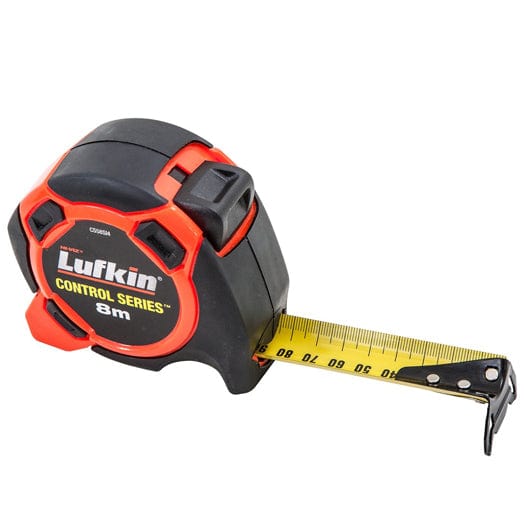
Using a flexible tape measure, measure around the outside circumference of the belt.
-
Keep the tape snug but do not stretch the belt.
-
Record the measurement in millimetres (preferred) or inches.
If the belt has broken, use a piece of string to follow the original belt path before measuring the string.
Tip: Old belts can stretch with age, so if possible, also refer to the machine's owner's manual or the original belt markings.
Step 4: Measure the Belt Width
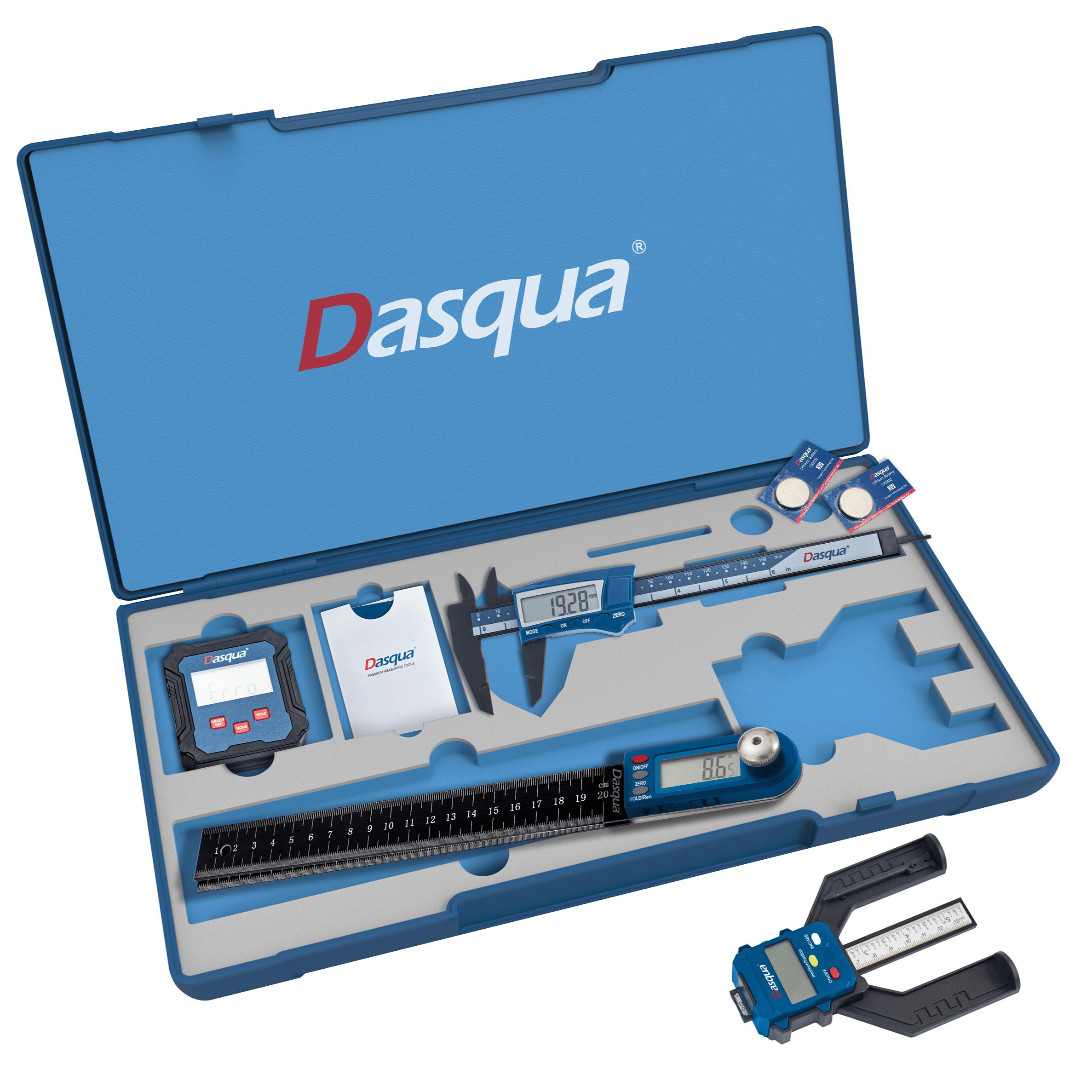
Using a ruler or vernier calipers, measure across the widest part of the belt.
The width helps determine the correct belt profile and ensures the belt sits properly within the pulley.
Always measure at the widest point.
Step 5: Measure the Belt Thickness
Measure the distance from the bottom of the belt to the top surface.
Thickness is particularly important for:
-
Timing belts
-
Flat belts
-
Some specialised industrial belts
Using digital calipers will provide the most accurate result.
Step 6: Identify the Belt Profile
If you're measuring a V-belt, identifying the profile is just as important as measuring the length.
Common profiles include:
-
A Section
-
B Section
-
C Section
-
Z Section
-
SPA
-
SPB
-
SPC
-
SPZ
The profile is determined by measuring both the top width and the height of the belt.
If you're unsure which profile you have, comparing your measurements with a belt profile chart or contacting the Beyond Tools team can help identify the correct replacement.
Step 7: Check the Pulleys
While replacing the belt, inspect the pulleys for signs of wear or damage.
Look for:
-
Cracks
-
Rust
-
Sharp edges
-
Uneven wear
-
Build-up of dust or debris
Worn pulleys can significantly reduce the life of a new belt.
Cleaning the pulleys before installing the replacement belt will also improve performance.
Step 8: Check Belt Tension
After fitting the new belt, adjust the tension according to your machine manufacturer's recommendations.
A belt that is too tight can:
-
Damage bearings
-
Increase motor load
-
Reduce belt life
A belt that is too loose can:
-
Slip under load
-
Produce excessive heat
-
Reduce cutting performance
-
Wear prematurely
Correct belt tension is essential for smooth, reliable operation.
Common Mistakes to Avoid
Avoid these common errors when measuring or replacing a drive belt:
-
Measuring a heavily stretched or damaged belt without checking original markings.
-
Guessing the belt profile.
-
Measuring only the inside length rather than the outside circumference.
-
Ignoring pulley wear.
-
Installing the new belt with incorrect tension.
-
Ordering based solely on appearance.
Taking accurate measurements will help ensure you receive the correct replacement the first time.
Need Help Finding the Right Drive Belt?
At Beyond Tools, we stock a wide range of replacement drive belts for woodworking machinery, workshop equipment and industrial machines.
If you're unsure which belt you need, our experienced team can help identify the correct replacement using your belt measurements, machine model or existing belt markings.
Simply contact our team or visit our Malaga showroom, and we'll help get your machinery back up and running.
Shop Replacement Drive Belts at Beyond Tools
Whether you're servicing a bandsaw, table saw, drill press, thicknesser, lathe or other workshop machinery, Beyond Tools has a comprehensive range of quality replacement drive belts to suit many leading brands.
Browse our range online or contact our friendly team for expert advice.
Big on Tools. Big on Machinery. Big on Service.